
If your lawn struggles with thinning grass, pooling water, excessive thatch, or stubborn bare spots, soil compaction may be the hidden culprit. One of the most effective solutions is lawn aeration — a critical lawn care service that improves soil structure and promotes healthier turf growth.
While many homeowners attempt DIY aeration with rental equipment or spiked shoes, professional lawn aeration delivers far more impactful and long-lasting results.
In this guide, we’ll explain what lawn aeration is, why it’s essential for lawn health in Virginia, and why hiring a professional lawn care company like Lewis Enterprises is often the smarter investment.
What Is Lawn Aeration?
Lawn aeration is the process of creating small holes in the soil to relieve compaction and allow air, water, and nutrients to penetrate deep into the root zone.
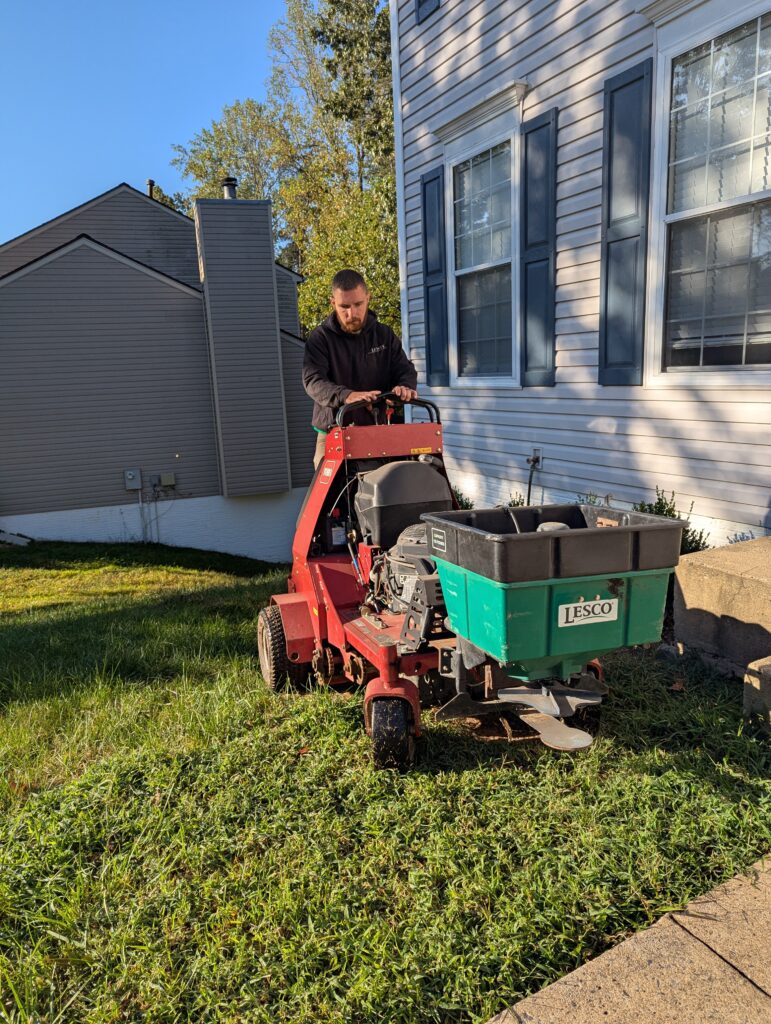
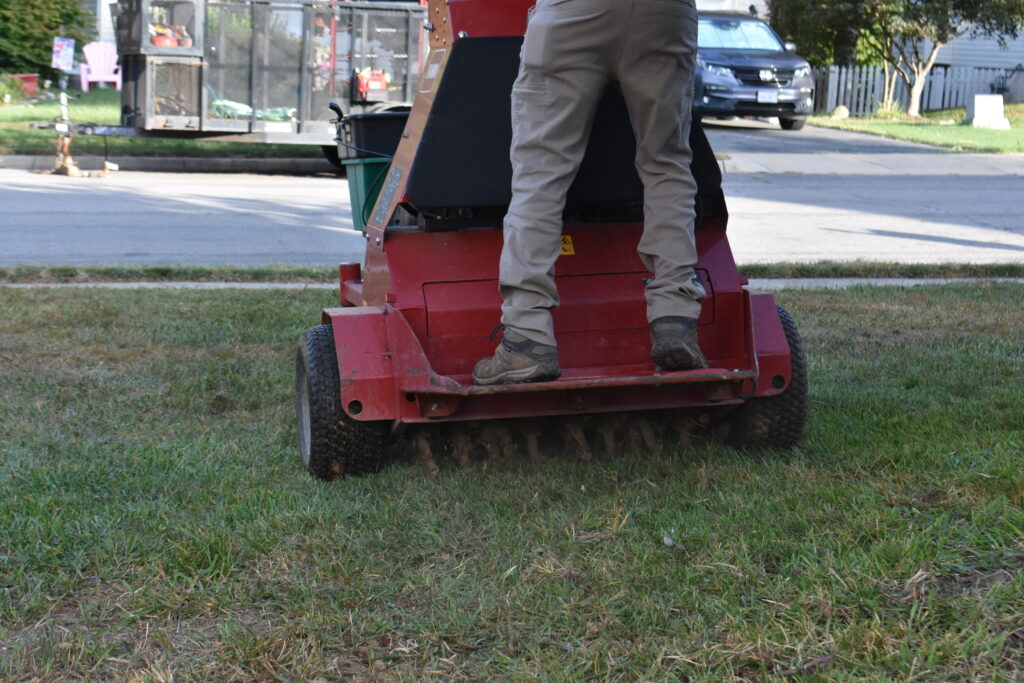
The most effective method is core aeration, which removes small plugs of soil from the lawn. These plugs are left on the surface to break down naturally, returning nutrients back into the soil.
Professional aeration improves:
- Soil oxygen levels
- Root development
- Water absorption
- Nutrient penetration
- Overall turf density
Without aeration, compacted soil suffocates roots and limits healthy growth.
Why Soil Compaction Is a Serious Problem
Soil compaction occurs when soil particles are pressed tightly together, reducing pore space. In Virginia, clay-heavy soil makes compaction especially common.
Compaction can result from:
- Heavy foot traffic
- Pets
- Lawn equipment
- Snow and ice weight
- Frequent rainfall
- Construction activity
When soil becomes compacted, roots struggle to grow deep. Water runs off instead of soaking in. Fertilizer sits on the surface instead of reaching the root system.
Over time, this leads to:
- Thin, weak grass
- Increased weed growth
- Poor drought tolerance
- More disease susceptibility
Aeration directly addresses these issues.
Top Benefits of Professional Lawn Aeration
1. Stronger, Deeper Root Growth
Healthy lawns start below the surface.
When compacted soil is loosened through professional core aeration, roots can expand deeper into the ground. Deeper roots create:
- Stronger grass blades
- Improved nutrient uptake
- Better resilience during summer heat
- Increased drought tolerance
Stronger roots mean less reliance on excessive watering and chemical treatments.
2. Improved Water Absorption and Drainage
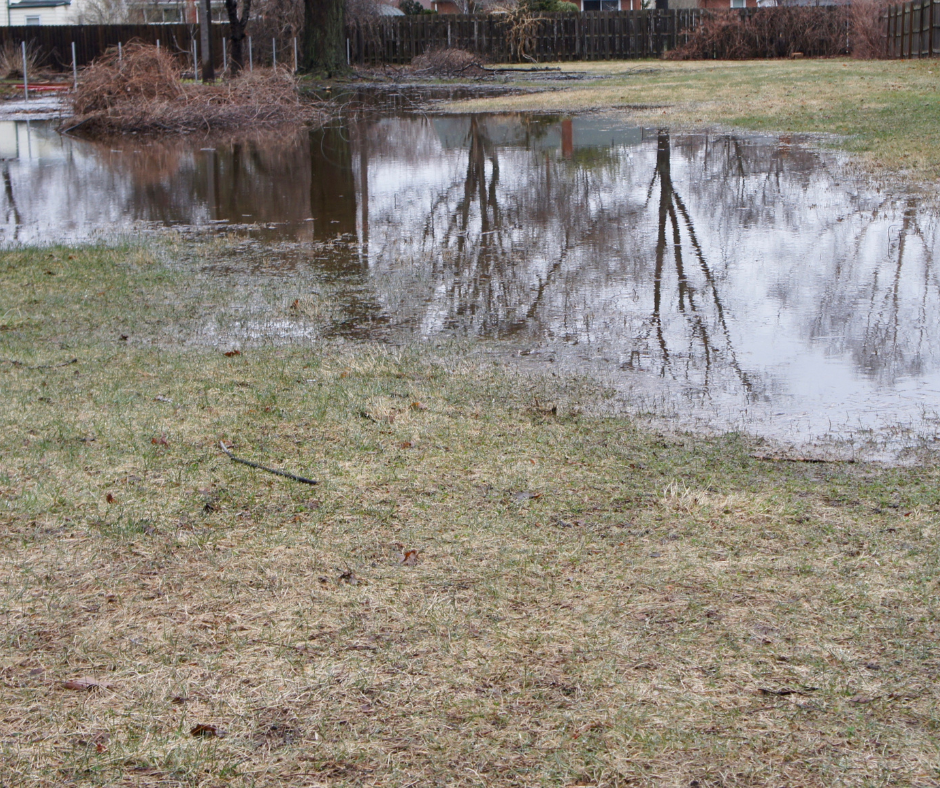
If you notice puddles forming after rain, compacted soil may be preventing proper drainage.
Professional lawn aeration:
- Reduces surface runoff
- Improves water infiltration
- Minimizes erosion
- Helps prevent fungal growth caused by standing water
In regions with heavy seasonal rainfall, proper drainage is essential for maintaining lawn health.
3. Better Fertilizer and Nutrient Efficiency
Fertilizer only works if it reaches the root system.
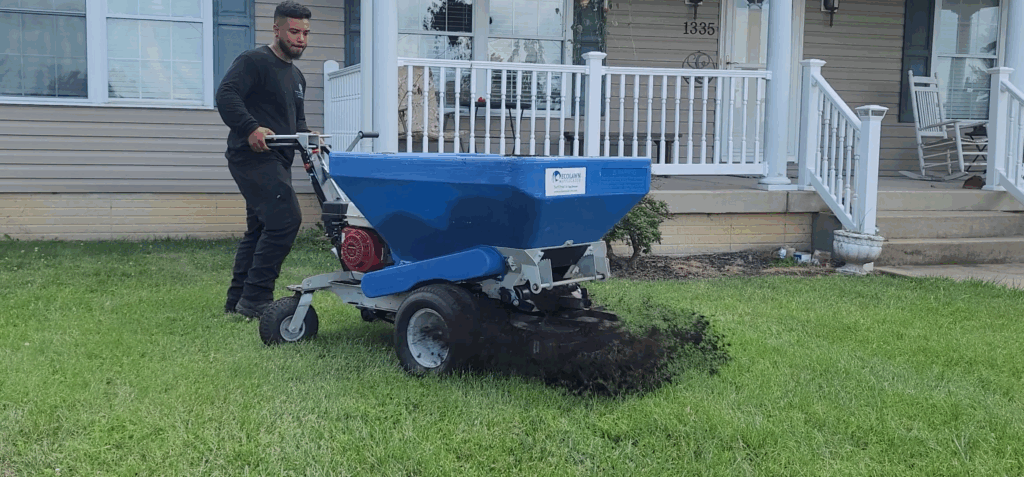
Aeration allows nutrients to travel directly into the soil instead of sitting on top. This increases the effectiveness of your fertilization program and reduces waste.
When combined with overseeding, aeration creates ideal seed-to-soil contact for improved germination.
4. Reduced Thatch Buildup
Thatch is a layer of dead grass and organic material that accumulates between the soil and grass blades. A thin layer is normal, but excessive thatch blocks water and oxygen.
Core aeration helps break down thatch by:
- Increasing microbial activity
- Allowing air circulation
- Improving decomposition
This keeps your lawn healthier and more balanced.
5. Thicker, Greener Turf
Thicker lawns naturally crowd out weeds.
When aeration improves root growth and nutrient absorption, grass grows more densely. This creates a uniform, vibrant appearance and reduces open areas where weeds can establish.
Pairing aeration with overseeding enhances turf density even further.
6. Increased Resistance to Heat and Drought
Virginia summers can be hot and dry. Lawns with shallow root systems suffer quickly during heat waves.
Professional aeration promotes deep root systems that access moisture stored further below the surface.
This results in:
- Reduced stress during high temperatures
- Less browning
- Improved summer survival
Aerated lawns recover faster from seasonal stress.
Why DIY Lawn Aeration Often Falls Short
Many homeowners rent aerators or purchase spike tools in hopes of saving money. Unfortunately, DIY aeration frequently fails to deliver meaningful results.
Here’s why:
1. Spike Aeration Doesn’t Solve Compaction
Spike aerators poke holes into the soil but do not remove plugs. Instead of relieving compaction, they can actually push soil tighter around the holes.
Core aeration — which removes plugs — is far more effective at reducing compaction long term.
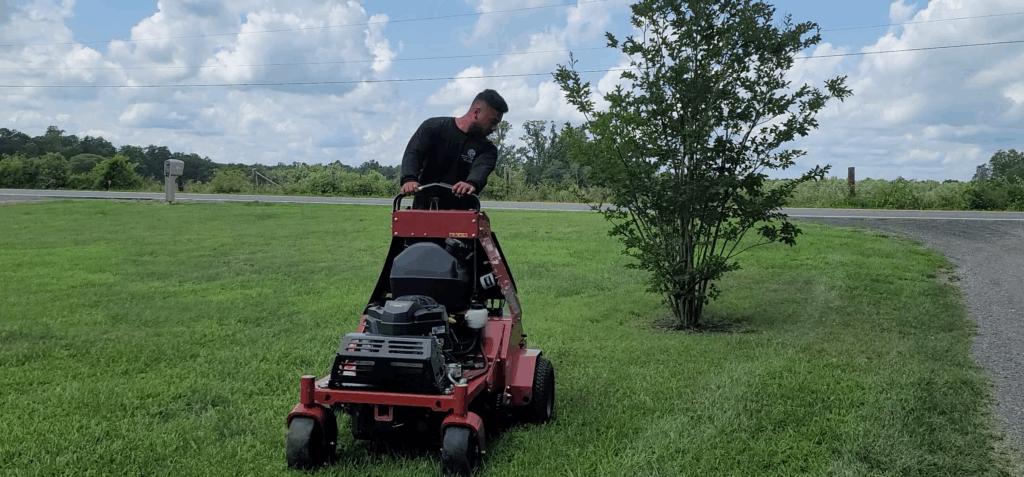
Professional lawn care companies use commercial-grade core aerators designed to achieve optimal depth and spacing.
2. Rental Equipment Is Often Ineffective
Rental aerators may:
- Be poorly maintained
- Lack sufficient weight for clay soil
- Fail to penetrate deeply enough
- Provide inconsistent coverage
Professional equipment is heavier, more powerful, and designed specifically for dense soil conditions common in Virginia.
3. Improper Timing Reduces Effectiveness
Timing is critical when it comes to lawn aeration.
Aerating too early or too late can reduce effectiveness. Grass should be actively growing to recover properly after aeration.
Professional lawn care providers understand:
- Ideal soil moisture levels
- Seasonal timing
- Local grass types
- Climate patterns
This ensures maximum benefit.
4. Inconsistent Coverage
Proper aeration requires evenly spaced holes across the entire lawn.
DIY attempts often result in:
- Missed areas
- Uneven penetration
- Overlapping passes
- Inefficient coverage
Professionals follow systematic patterns to ensure consistent results.
5. It’s Physically Demanding and Time-Consuming
Core aerators are heavy machines. Maneuvering them across an entire property can be exhausting and time-intensive.
Hiring a professional saves:
- Time
- Physical strain
- Equipment rental costs
- Potential lawn damage
The Best Time for Lawn Aeration
In Virginia, aeration is typically performed in:
- Early spring (before peak growth)
- Early fall (ideal for cool-season grasses)
Spring aeration helps lawns recover from winter compaction and prepares them for summer stress.
Fall aeration is often considered optimal for strengthening cool-season turf before winter dormancy.
Lewis Enterprises can assess your lawn and recommend the best schedule based on soil condition and grass type.
Why Choose Professional Lawn Aeration Services?
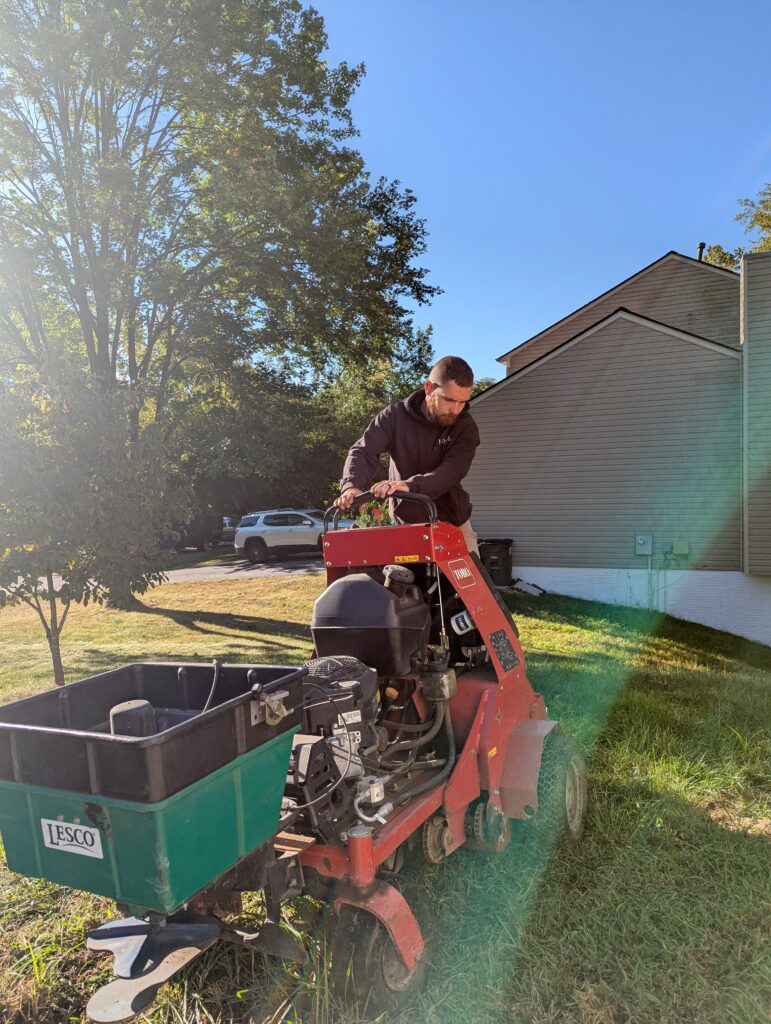
When you invest in professional lawn aeration, you’re investing in long-term lawn health.
Lewis Enterprises provides:
- Commercial-grade core aeration
- Expert timing and soil assessment
- Aeration paired with overseeding
- Fertilization programs
- Full-service lawn care maintenance
Our team understands local soil composition and climate challenges. We create customized lawn care plans designed to produce thick, green, healthy turf that lasts.
The Bottom Line: Aeration Is an Investment, Not an Expense
Skipping aeration can lead to:
- Increased weed growth
- Poor fertilizer performance
- Water runoff
- Thinning grass
- Costly lawn repairs later
Professional lawn aeration strengthens your turf from the roots up, making every other lawn care service more effective.
DIY methods may seem convenient, but they often fail to address the core problem: soil compaction.
If you want real, visible results, professional core aeration is the smarter choice.
Schedule Your Professional Lawn Aeration Today
Give your lawn the foundation it needs to thrive.
Call 540-903-8978
Email [email protected]
Visit lewisenterprisesva.com/contact/ to schedule your service.
Lewis Enterprises is ready to help you build a thicker, healthier lawn this season with expert lawn aeration services you can trust.