
Maintaining a vibrant, green lawn in Virginia can be a challenge. Warm, humid summers and cool, wet springs create ideal conditions for fungal lawn diseases that weaken turf and create thin or dying patches. Knowing how to recognize common lawn diseases and prevent them early can save you time, money, and frustration.
In this guide, we’ll walk through the most prevalent lawn diseases affecting turfgrass in Virginia — why they occur, how to identify them, and what you can do to prevent outbreaks and protect your lawn.
Why Lawn Diseases Happen in Virginia
Lawn diseases typically occur when environmental conditions and turf stress combine to favor fungal growth. Fungi thrive in warm, humid weather — especially when lawns have excessive moisture, poor air circulation, compacted soil, or improper maintenance. Virginia’s climate, with hot, humid summers and mild, wet springs, makes lawns especially susceptible to fungal infections.
Preventing fungal lawn diseases isn’t just about treatment, it’s about establishing a healthy lawn that resists diseases naturally.
Most Common Lawn Diseases in Virginia
Below are the lawn diseases most likely to affect cool-season turfgrass (like tall fescue and Kentucky bluegrass) in Virginia:
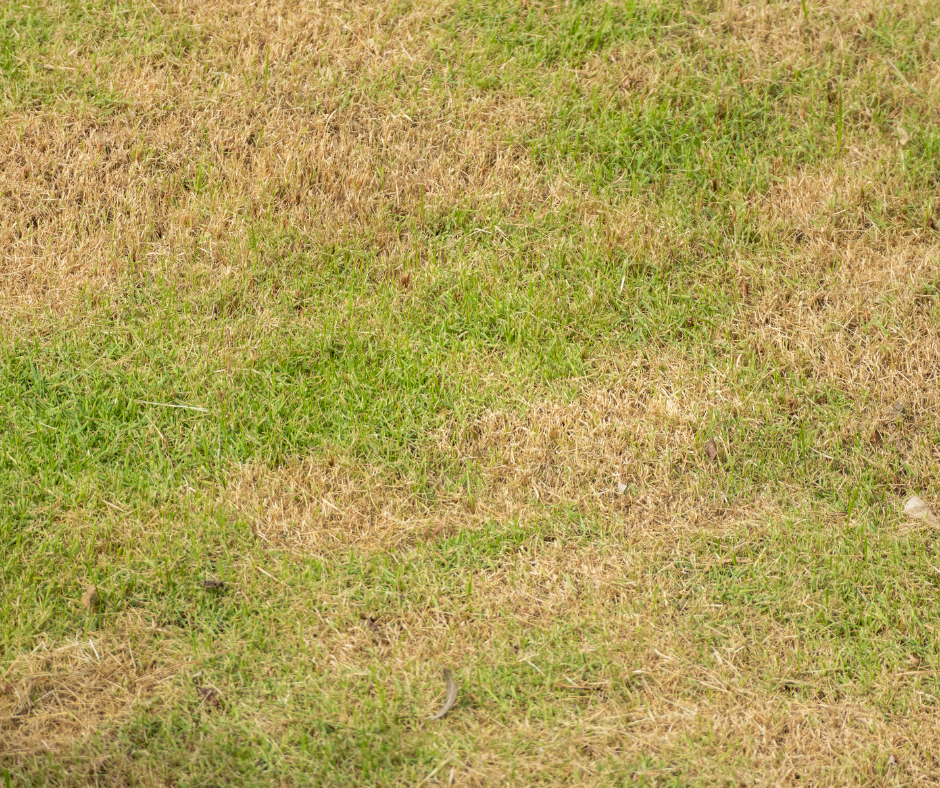
1. Brown Patch (Rhizoctonia solani)
What it looks like:
Large, circular or irregular brown patches of dying grass, often surrounded by a darker “smoke ring.”
Why it happens:
Brown patch thrives in hot, humid conditions — especially when soil temperatures rise above 60°F and humidity remains high.
Prevention Tips:
- Avoid heavy nitrogen applications in the heat of summer
- Water deeply but infrequently, early in the morning
- Increase airflow by trimming tree branches and thinning dense turf
2. Dollar Spot (Clarireedia spp.)
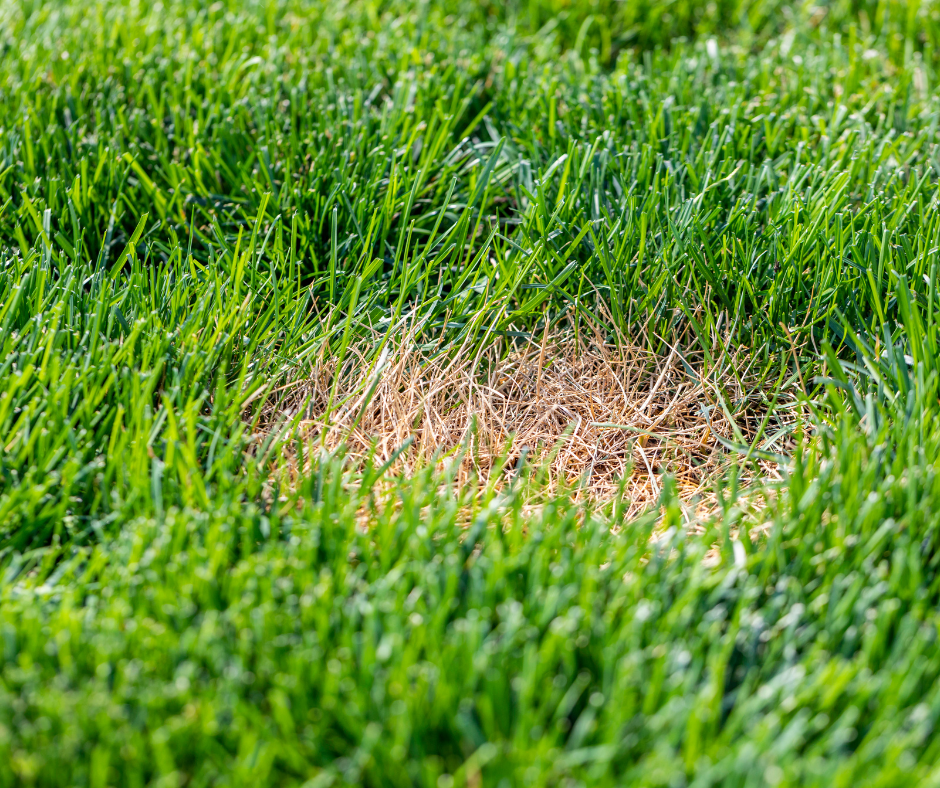
What it looks like:
Small circular spots roughly the size of a silver dollar with straw-colored grass.
Why it happens:
Dollar spot favors warm days, cool nights, and extended leaf wetness on the turf.
Prevention Tips:
- Water in early morning to reduce leaf wetness at night
- Aerate to improve drainage and reduce thatch
- Maintain balanced fertilization to enhance turf vigor
3. Red Thread and Pink Patch
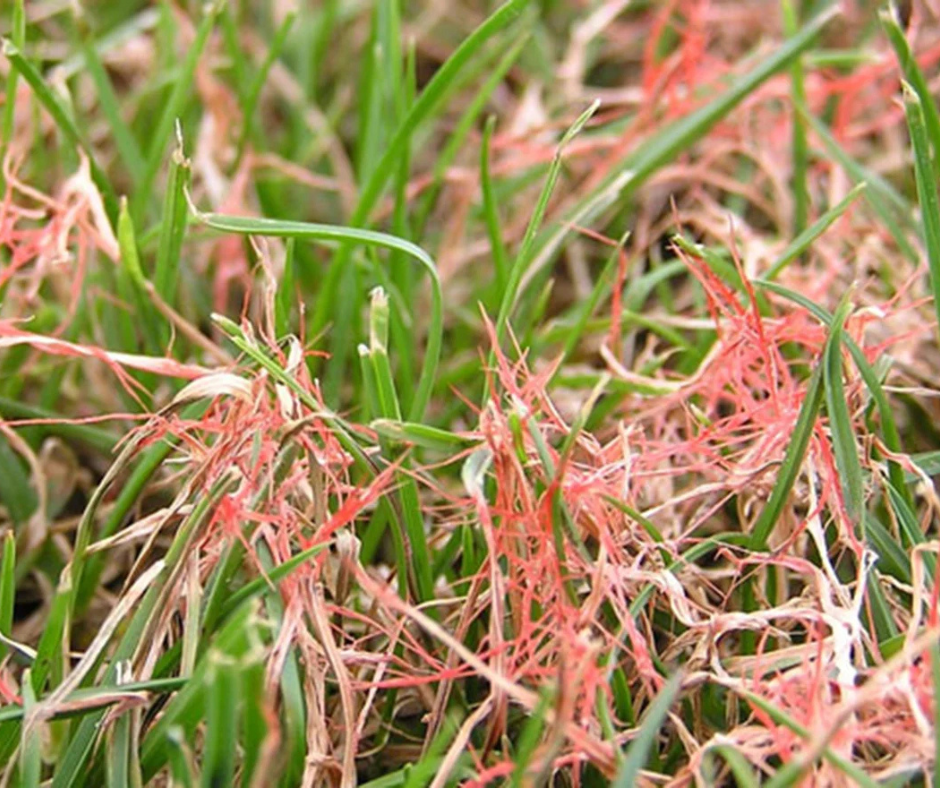
What it looks like:
Irregular patches of tan or straw-colored grass with red or pink fungal threads visible under humid conditions.
Why it happens:
Red thread and pink patch commonly occur in spring and fall when cool, damp conditions persist.
Prevention Tips:
- Proper fertilization to keep turf vigorous
- Regular mowing at recommended heights
- Prompt thatch and debris removal
Other Disease Types Homeowners May Encounter
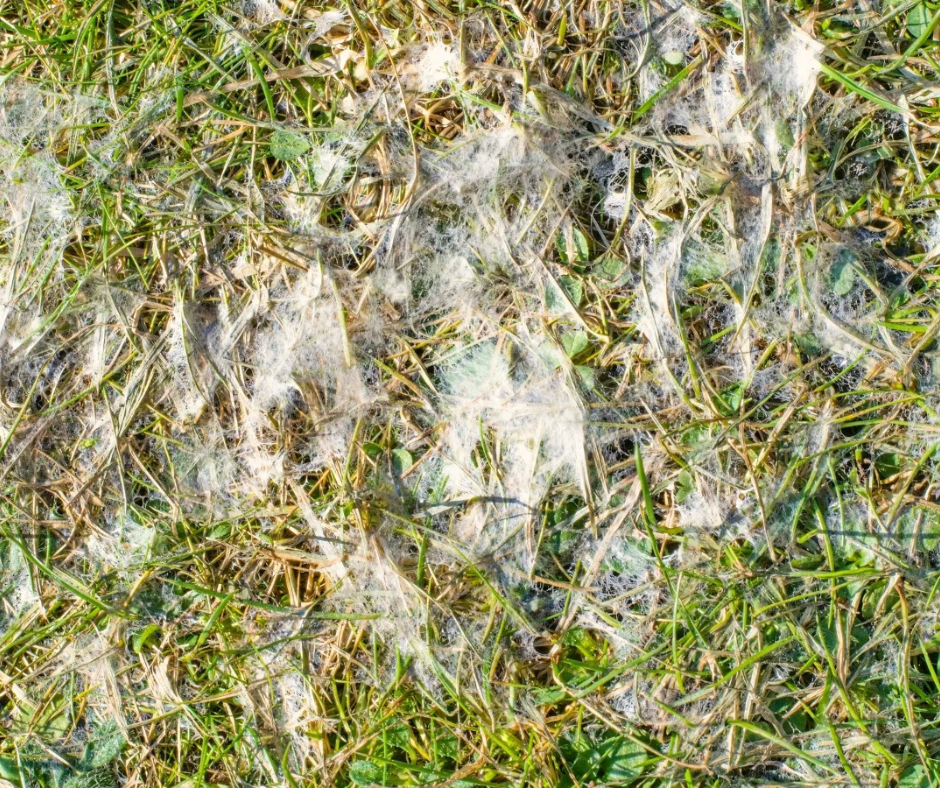
Necrotic Ring Spot
This fungal disease creates ring-shaped dead patches and is more common in cool-season grasses like bluegrass.
Snow Mold
Occurs after snow melts, leaving patches of dead grass from fungal growth under snow cover.
Proven Prevention Strategies for Lawn Diseases
Preventing lawn disease is much easier — and more effective — than treating a severe outbreak. Here’s how to protect your lawn proactively:
1. Promote Healthy Turfgrass Growth
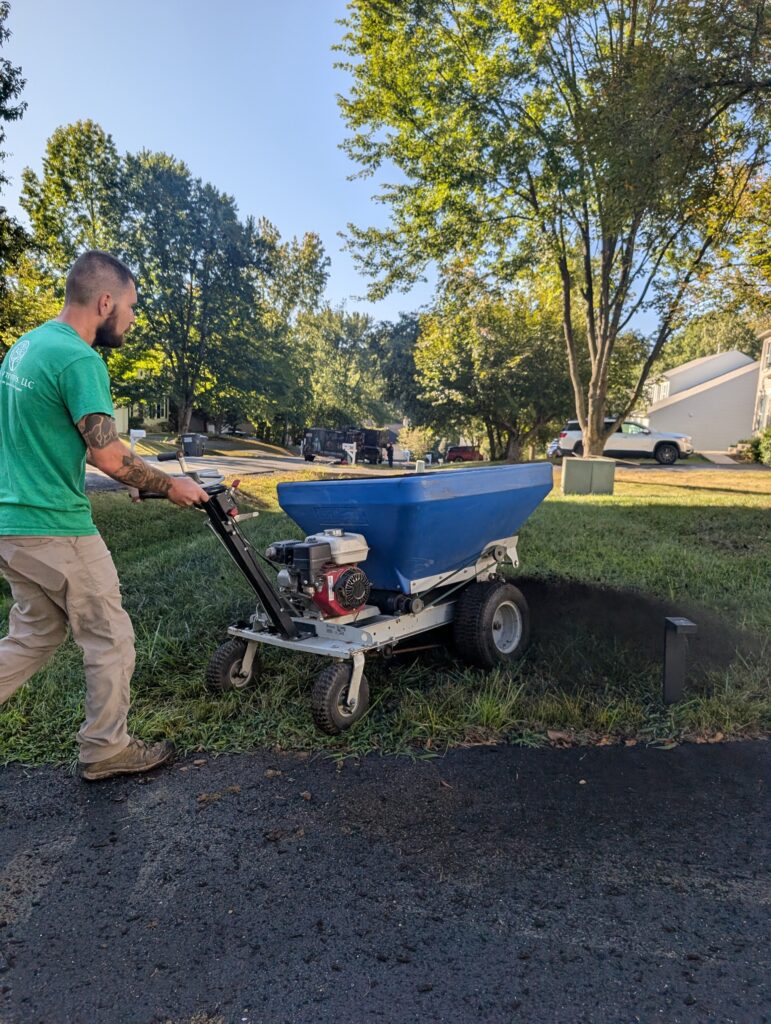
- Fertilize appropriately: Turf that is well-nourished grows denser and resists disease better than stressed grass.
- Choose resistant varieties: Some grasses are bred to resist specific diseases. Selecting resistant cultivars — especially for tall fescue — can reduce severity.
2. Improve Soil Health and Turf Structure
Compacted soil restricts air, water, and nutrient flow, creating a favorable environment for fungi.
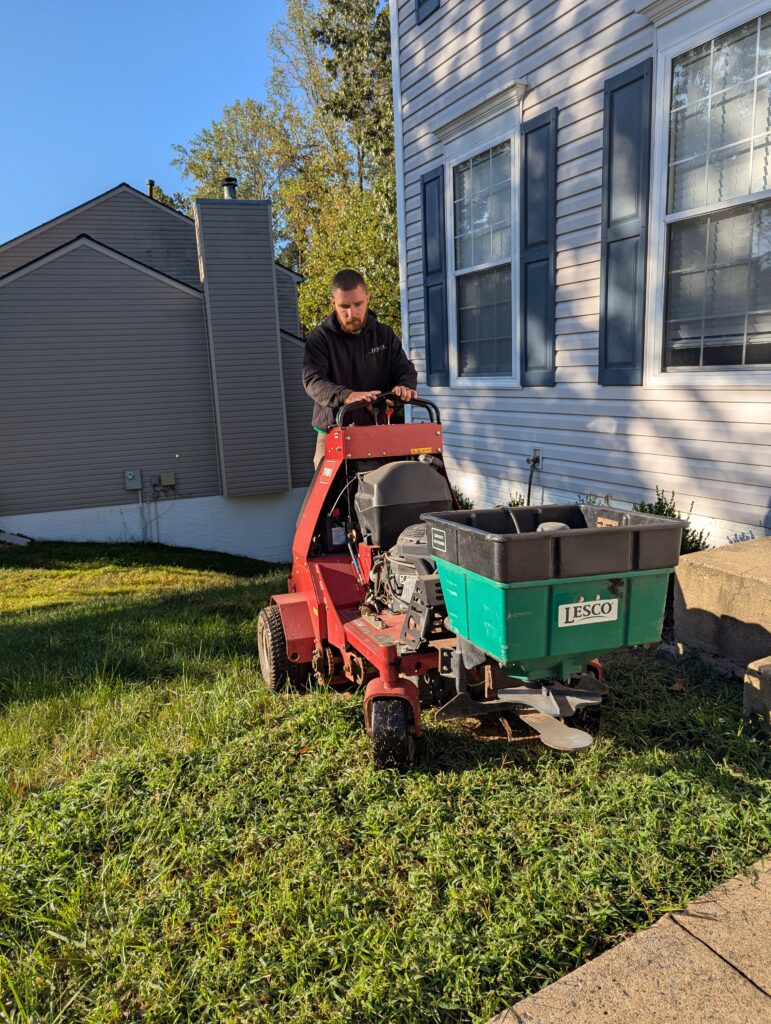
- Aerate annually to relieve compaction
- Topdress with quality compost to improve nutrient cycling
- Monitor soil pH and treat if it’s too acidic or alkaline
3. Manage Water and Moisture Carefully
Fungal spores spread more easily on wet grass:
- Water early in the morning so grass dries by night
- Avoid frequent, shallow watering
- Ensure sprinkler heads are adjusted to prevent misting leaves into the evening
4. Maintain Proper Mowing Practices
- Keep mower blades sharp
- Never remove more than one-third of the blade height
- Adjust mower height seasonally, slightly higher in hot weather
Proper mowing reduces stress on grass and limits micro-environments where fungi thrive.
When to Consider Fungicide Applications
Sometimes cultural practices aren’t enough, especially in peak humidity or during extreme stress periods. In these cases, targeted fungicide treatments can suppress disease while turf recovers. Always follow label instructions or consult a lawn care professional.
Why Early Detection Matters
The sooner you identify signs of lawn disease, the easier it is to manage.
Look for:
- Circular patches of brown or straw-colored turf
- Slimy or powdery residues on grass blades
- Thread-like growth emerging from affected areas
Early action can prevent a small issue from becoming widespread damage.
Partner With Professionals for Disease Prevention
Professional lawn care companies bring:
- Soil and disease diagnostics
- Scheduled preventive treatments
- Customized fertilization and aeration
- Disease-specific solutions tailored to Virginia conditions
Working with experts doesn’t just treat the problem, it keeps future outbreaks at bay.
Keep Your Virginia Lawn Healthy All Year
Lawn diseases can be stubborn, but they’re not unbeatable. With proper care practices, early detection, and smart preventative strategies, you can enjoy a thick, lush lawn that resists disease naturally.
If you’re dealing with persistent fungal problems or want a custom disease-prevention plan, reach out to Lewis Enterprises for a professional evaluation.