
A New Year guide for homeowners in Fredericksburg, Stafford, Spotsylvania, and surrounding communities
The start of a new year brings a sense of momentum, and it’s not just for personal resolutions—your property can benefit from that same fresh start. While winter may seem like a quiet season outdoors, it is actually one of the most important times for maintenance, inspection, and preparation. The work you do now affects the health of your lawn, the condition of your landscaping, and the longevity of your outdoor spaces throughout the entire year.
January is the perfect moment to look over your yard with fresh eyes. The leaves have fallen, the grass is dormant, and the landscape is bare enough to reveal areas that need attention. Instead of waiting for spring, when outdoor tasks stack up quickly, these early winter months allow you to take a proactive approach. Below is a comprehensive checklist to help you start the year strong and ensure your property enters spring in the best possible condition.
1. Walk Your Property and Identify Winter Stress
Begin by taking a slow walk around your yard. Winter has already settled in, and while much of your landscape may be dormant, the effects of cold temperatures, heavy rains, and frost are often visible. Look for areas of your lawn that remain soggy long after a rainstorm, places where water puddles, spots where the soil looks washed out, or areas of grass that appear thin or matted.
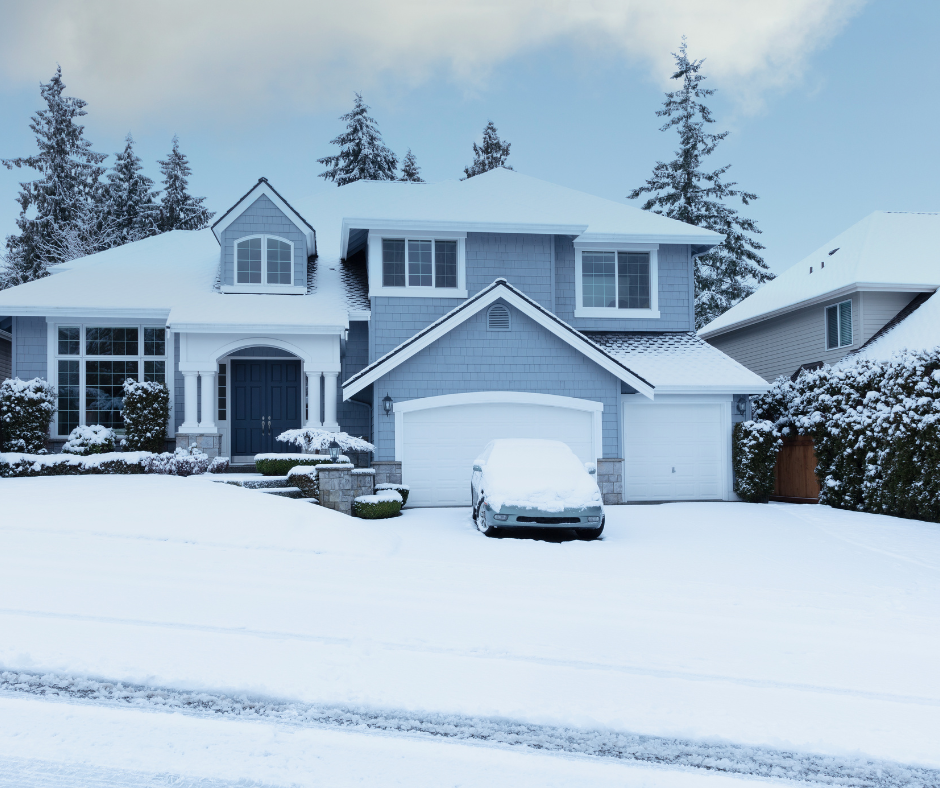
Winter tends to highlight drainage issues that may not be noticeable in summer. When the ground is saturated and the sun is weak, poor drainage becomes obvious. This is also when you might spot signs of erosion, such as channels of displaced soil along slopes or bare spots where grass has been affected by runoff. Identifying these issues early enables you to address them before they cause more serious damage in spring.
2. Clear Remaining Leaves and Debris
Even if you completed a major fall cleanup, it’s common for more leaves and branches to accumulate throughout December. Winter winds and storms can bring down additional debris, and those late-dropping leaves still pose risks. Leaves left on your lawn trap moisture, encourage mold, and smother the grass during dormancy. A quick mid-winter cleanup keeps your lawn protected and prevents fungus or dead patches from appearing later.
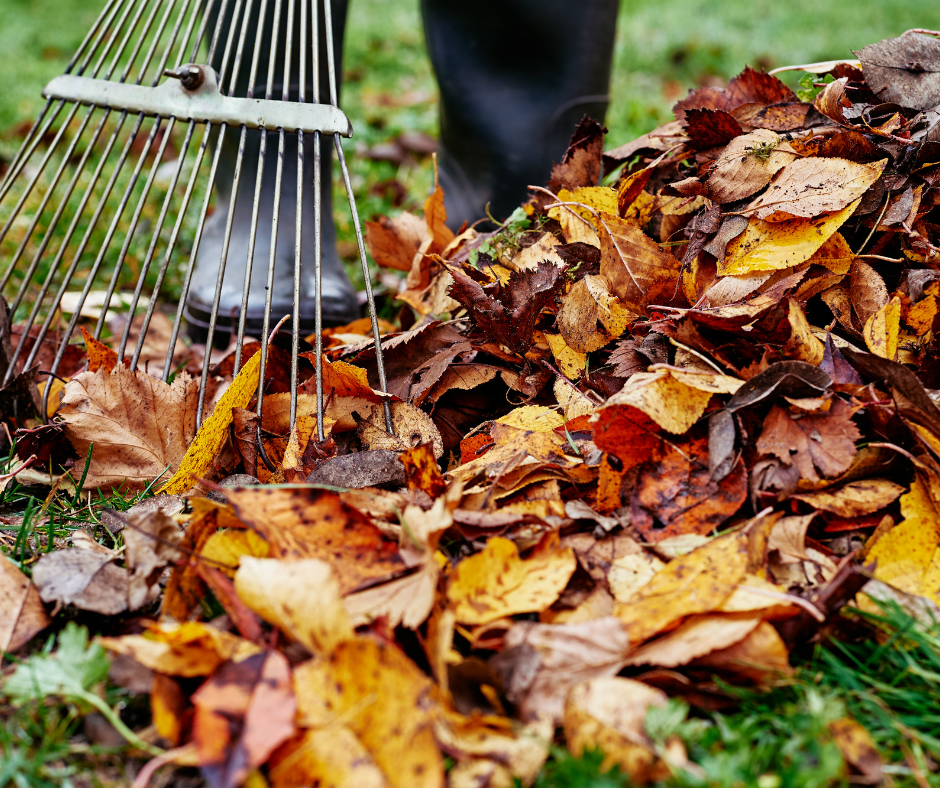
Debris also collects in landscape beds during this time. Removing fallen leaves, pine needles, and broken stems prevents pests from taking shelter and keeps your beds from holding excess moisture. Even a simple winter cleanup makes your property look neater and supports a healthier landscape heading into spring.
3. Protect Your Lawn by Limiting Foot Traffic on Frosted Grass
One of the easiest ways to damage your lawn in winter is by walking on it while frost is present. When the blades of grass freeze, they become brittle. Even light foot traffic can cause the blades to snap, which leads to visible brown footprints and damage that persists until new growth begins.
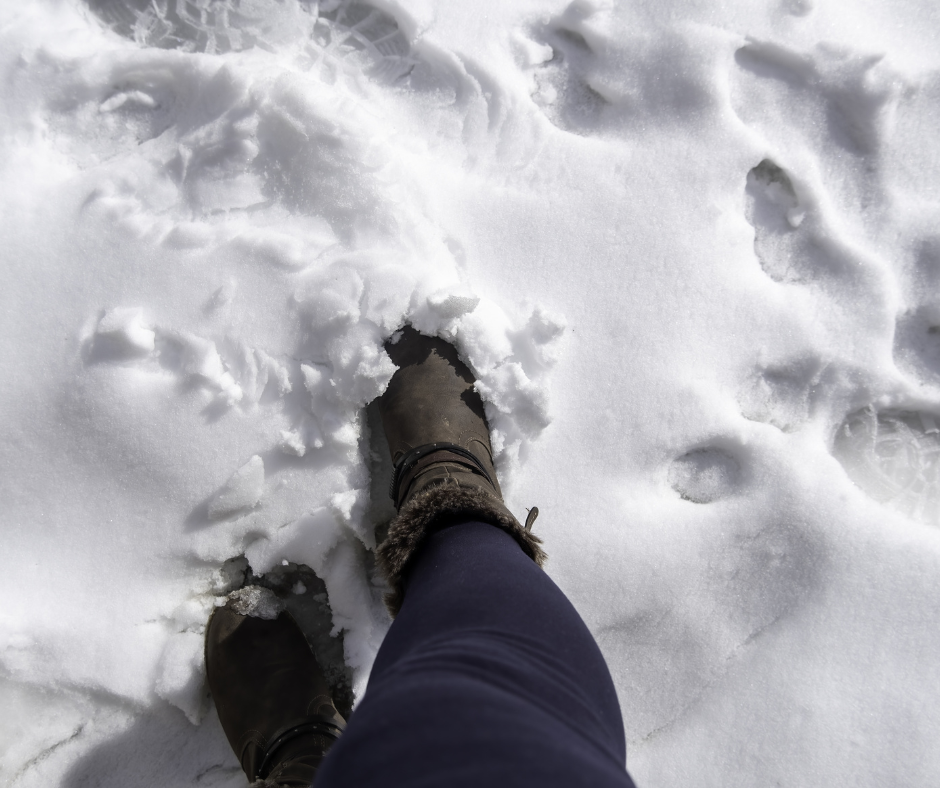
Try to keep yourself, your pets, and any outdoor activity off the lawn when it’s visibly frosted or frozen. Use walkways, driveways, or other established paths until the frost melts. This simple habit prevents unnecessary damage and helps your lawn recover more quickly when spring arrives.
4. Prune Trees and Shrubs While Plants Are Dormant
Winter is one of the most advantageous times to trim trees and shrubs. With growth slowed and leaves gone, the structure of each plant is fully visible. This makes it easier to see where branches need to be removed or reshaped. Pruning during dormancy reduces stress on the plant and encourages healthier, more controlled growth once spring begins.
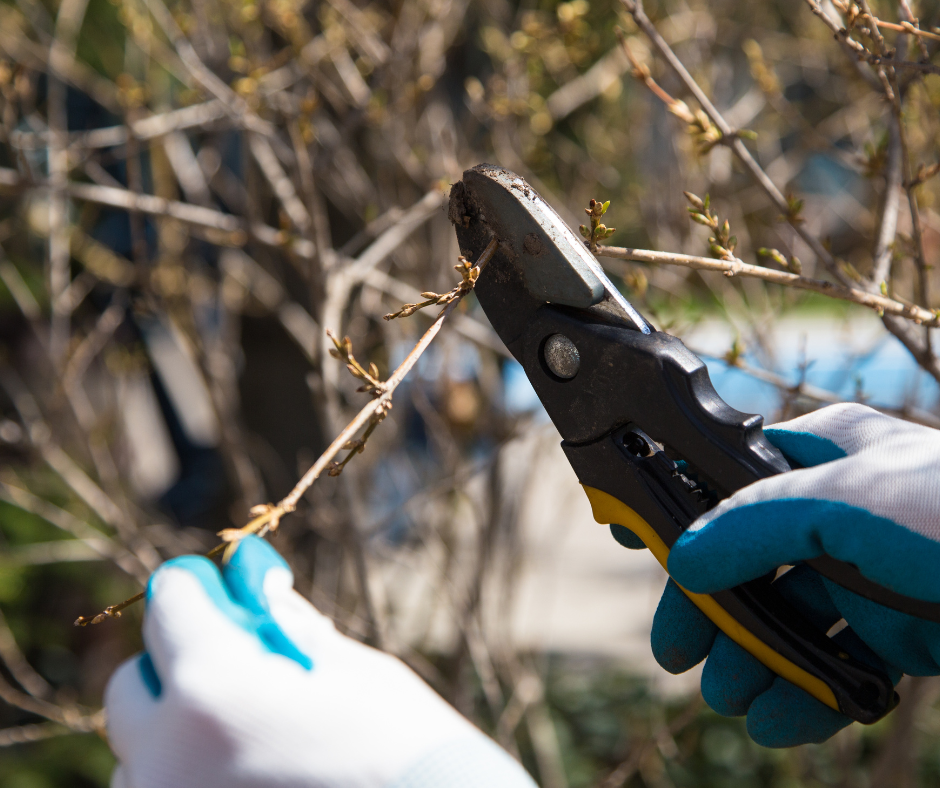
Removing dead or damaged limbs also prevents potential hazards during winter storms. Weak branches that snap under the weight of ice or wind can damage your home, fencing, vehicles, or other parts of your property. Winter trimming is not only beneficial for the health of your plants but also for the safety of your outdoor spaces.
5. Inspect Hardscaping and Outdoor Structures
Your patios, walkways, borders, retaining walls, and stone features go through a lot during the year, and winter provides the perfect time to evaluate their condition. As plants recede and grass becomes dormant, you can clearly see any shifting stones, cracking in pavers, leaning walls, or sinking edges.
Moisture and freezing temperatures often reveal problems that would be hidden in warm seasons. If you notice gaps, settling, or uneven areas, it may be time for repairs or reinforcement. Winter is an excellent season to schedule these improvements, as cooler temperatures are ideal for installing and stabilizing hardscape materials.
This is also a good time to look at other structures such as fencing, sheds, raised garden beds, and drainage channels. Catching small issues now prevents them from turning into larger repairs later in the year.
6. Evaluate Your Drainage System
Drainage issues are most noticeable during winter when rain is frequent and sunlight is limited. If your yard struggles with constant moisture, soggy sections, or pooling water, the winter season gives you the clearest view of the problem.
Standing water can cause serious issues in spring, including disease, compaction, turf damage, and erosion. It can also threaten your home’s foundation or encourage pests. If you see signs of trouble—such as persistent wet patches, mud near your foundation, or areas that remain saturated for days—it may be time to consider a drainage solution.
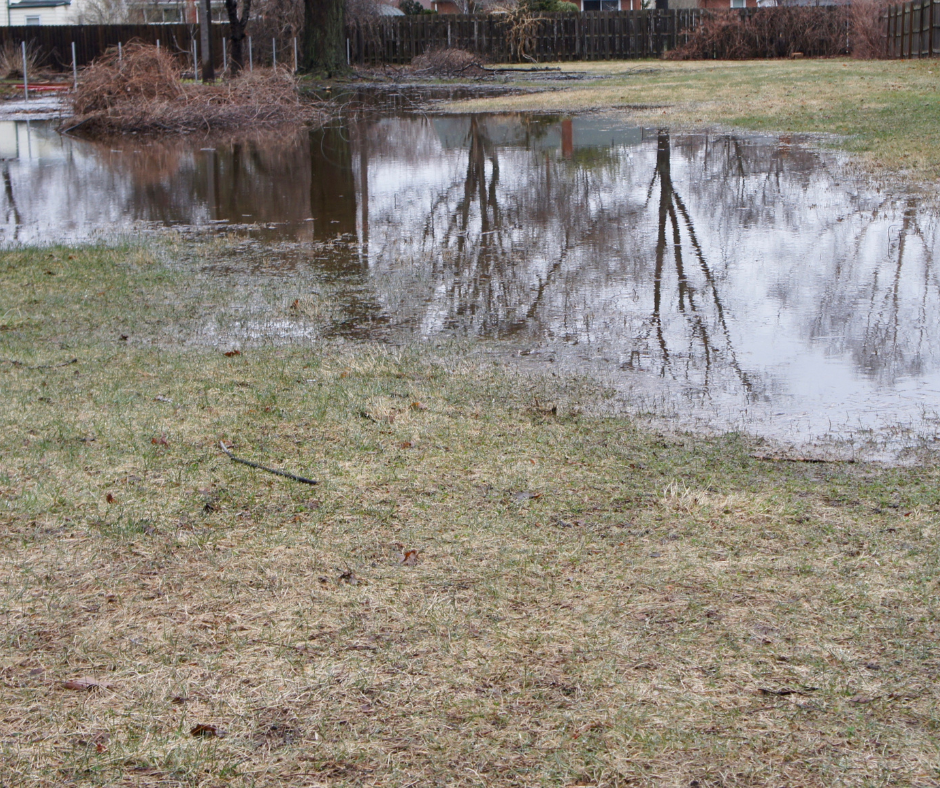
Lewis Enterprises regularly addresses winter drainage concerns by designing and installing solutions like French drains, yard grading, swales, dry creek beds, and downspout extensions. Winter is one of the most strategic times to plan these projects because the evidence of where water flows is most obvious.
7. Refresh Landscape Beds and Remove Spent Growth
Although most of your landscaping is dormant, your beds still need some attention. Winter bed maintenance keeps your yard looking tidy and helps your plants stay protected through the cold season. Cutting back dead or finished growth, removing fallen leaves, and clearing debris helps prevent disease and gives your beds a cleaner look.
Adding a light layer of fresh mulch in winter can also help. Mulch stabilizes soil temperatures, protecting plant roots from freeze-thaw cycles. This insulation keeps roots healthier and prevents stress when the weather swings between warm and cold. It also provides a neat, well-kept appearance during the months when your landscape is otherwise subdued.
8. Remove Unwanted Plants and Overgrowth
Invasive or unwanted plants are easier to remove in winter. Without leaves or active growth, shrubs and small trees can be pruned or removed with far less effort. Visibility is better, sap flow is slower, and roots are less active. This is a great time to clear out anything that has outgrown its space, become messy, or no longer fits your landscape vision.
Removing problem plants now also makes space for new spring growth or future landscaping projects. Instead of waiting until warm weather when plants grow quickly, use winter to create a clean slate.
9. Begin Planning Your Spring Landscaping Projects
Winter is one of the best times to plan outdoor projects for the coming year. Because the landscape is bare, you can clearly visualize the spaces that need improvement. It’s easier to see the shape of your yard, understand how sunlight hits different areas, and identify spaces that could benefit from redesign or restructuring.
Planning early also gives you first pick for scheduling. Once spring arrives, landscaping companies fill their calendars quickly. By getting ahead, you ensure your project doesn’t get pushed to late spring or summer. Whether you’re considering new planting beds, drainage improvements, a patio installation, or updated edging, winter gives you the time and flexibility to design your project without the seasonal rush.
10. Inspect Tools, Storage Areas, and Outdoor Equipment
Outdoor equipment often gets overlooked in winter, but now is the time to make sure everything is ready for spring. Check your shed or storage space for organization, ensure tools are clean and rust-free, and winterize larger equipment if you haven’t already done so.
This may include draining fuel from mowers, sharpening blades, storing hoses properly, and ensuring garden tools are cleaned and oiled. Taking a few minutes to evaluate your equipment now will save time and frustrations when the busy spring season arrives.
11. Winterize Remaining Outdoor Features
Even in January, there may still be parts of your property that need attention. Inspect gutters and downspouts to ensure they are draining properly, check for cracks in patios or walkways, and make sure outdoor faucets and pipes are adequately protected from freezing temperatures.
Look around your home’s exterior for areas where water may be pooling or flowing toward the foundation. These issues often go unnoticed until they become a bigger problem. Winter is the perfect time to fix minor concerns before they escalate.
Start the Year With Support From Lewis Enterprises
Lewis Enterprises helps homeowners navigate winter maintenance with services tailored to the season. From drainage solutions and hardscaping to winter yard cleanups and early project planning, our team works year-round to keep your property protected and looking its best.
We understand the unique climate and soil conditions of the Fredericksburg and Stafford region, and we take a thoughtful approach to winter care that supports long-term landscape health. Whether you need help with a single task or want to plan a larger project for spring, we’re here to assist.
Final Thoughts: The Best Landscapes Start With Winter Preparation
January is more than just the start of the new year—it’s the start of your landscape’s next chapter. By taking a proactive approach to maintenance now, you’re setting up your lawn, garden beds, and property for a healthier and more enjoyable year.
Winter work isn’t about making your landscape grow. It’s about protecting what you have, preventing problems before they start, and giving yourself a clean foundation for spring improvements.
Ready to Start Your 2026 Outdoor Maintenance Checklist?
Lewis Enterprises is here to help. Contact us today to schedule winter cleanup, drainage evaluations, or early planning for your spring projects.
Your yard will thank you when warmer days return.